
PayPal Money On Hold
Seeing your PayPal money on hold can be frustrating, especially if you’re expecting to use those funds right away. Whether you’ve sold an item online, received a business payment, or accepted money from a customer, a hold can delay access to your balance and leave you wondering what went wrong.
In many cases, a PayPal money on hold status doesn’t mean there’s a problem with your account. Instead, it’s a temporary measure that PayPal uses to reduce risk, protect buyers and sellers, and ensure that transactions are completed successfully. New sellers, businesses with limited selling history, accounts experiencing a sudden increase in sales, or transactions considered higher risk are more likely to experience payment holds.
The good news is that most holds are temporary, and there are several legitimate ways to help speed up the release of your funds. Understanding why the hold was placed is the first step toward resolving it.
In this guide, you’ll learn why PayPal money on hold happens, how long it usually lasts, the most common reasons for payment holds, and nine proven ways to access your money as quickly as possible.
Quick Answer
If your PayPal money on hold, it’s usually because PayPal is reviewing the transaction for security or risk purposes. Most payment holds are temporary and may be released sooner if you ship the item promptly, upload valid tracking information, confirm delivery, resolve disputes quickly, and maintain a positive account history.
Table of Contents
What Does PayPal Money On Hold Mean?
A PayPal money on hold status means the payment has been received but isn’t yet available for you to spend, transfer, or withdraw. The funds remain in your PayPal account while the transaction is reviewed or until certain conditions are met.
This process is part of PayPal’s risk management system. It helps reduce fraud, protects buyers if an order isn’t delivered as expected, and gives sellers an opportunity to complete the transaction successfully. In many situations, the hold is lifted automatically once PayPal confirms that everything has gone as expected.
Although it can be inconvenient, a payment hold is different from a limitation or suspension. Your account usually remains active, and the money still belongs to you—it simply isn’t available until the hold is released.
Why Does PayPal Put Money on Hold?
There isn’t a single reason why PayPal money on hold occurs. Instead, PayPal evaluates a variety of factors to determine the level of risk associated with each transaction.
For example, if you’ve recently opened your account or started accepting payments for the first time, PayPal has very little transaction history to evaluate. Likewise, if your sales suddenly increase, you’re selling higher-value products, or you receive an unusually large payment, the system may temporarily hold the funds while it verifies that the transaction appears legitimate.
Payment holds can also occur if there are open disputes, frequent refunds, a higher-than-average number of chargebacks, or delayed shipping information. In some cases, the hold is simply part of PayPal’s routine review process and is removed automatically after certain milestones are reached.
Understanding the reason behind the hold helps you choose the best solution instead of repeatedly checking your balance and waiting for updates.
Before You Try to Release Your Funds
Before attempting to remove a PayPal money on hold, take a few minutes to review your account. Make sure your email address has been confirmed, your identity verification is complete if requested, and your linked bank account or debit card is current. If you’re selling products, verify that the order details are accurate and that you’ve uploaded shipping information if applicable.
It’s also worth checking the transaction details in your PayPal account. Sometimes PayPal explains exactly why the payment is being held and what needs to happen before the funds become available. Understanding these details can save you time and prevent unnecessary troubleshooting.
Method 1: Ship Orders Promptly
One of the easiest ways to help release PayPal money on hold is to ship customer orders as quickly as possible.
Delays in shipping often increase the amount of time PayPal keeps a payment on hold because the platform is waiting for evidence that the order has been fulfilled. Shipping within your stated handling time not only improves the customer experience but also helps establish a positive selling history.
If you’re selling physical products, avoid waiting several days before dispatching the order. Prompt shipping demonstrates that you’re actively fulfilling transactions and reduces the perceived risk associated with your account.
Method 2: Upload Valid Tracking Information
Providing accurate tracking information is one of the most effective ways to speed up the release of held funds.
When you upload a valid tracking number, PayPal can monitor the shipment and verify when the package reaches its destination. In many cases, confirmed delivery allows PayPal money on hold to be released sooner than if no tracking information is available.
Make sure the tracking number is entered correctly and matches the shipping carrier you’re using. Incorrect or incomplete tracking details can delay the review process instead of speeding it up.
Method 3: Confirm Completed Orders
If you’re selling services, digital products, or items that don’t require traditional shipping, confirming that the order has been completed may help shorten the hold period.
Depending on the type of transaction, PayPal may allow you to mark an order as processed or completed. Once the buyer confirms receipt—or once PayPal verifies that the transaction has been successfully completed—the payment may become available sooner.
While this option isn’t available for every transaction, it’s worth checking the payment details to see whether order completion can help release your funds.

Comparison Table
| Method | May Speed Up Release | Best For |
|---|---|---|
| Ship orders quickly | Yes | Physical products |
| Upload tracking | Yes | Shipped orders |
| Confirm completed orders | Yes | Services and digital products |
These first three methods are among the most effective ways to reduce the time your PayPal money on hold remains unavailable. In the next section, we’ll cover additional strategies that can improve your account standing and help future payments become available more quickly.
Method 4: Encourage Buyers to Confirm Receipt
In some eligible transactions, a buyer’s confirmation that they’ve received the item can help speed up the release of PayPal money on hold. Once PayPal knows the order has been delivered successfully, there’s less uncertainty surrounding the transaction, which may allow the funds to become available sooner.
While buyers aren’t always prompted to confirm receipt, maintaining clear communication and providing accurate delivery information can encourage a smooth transaction from start to finish. Satisfied customers are also less likely to open disputes or request chargebacks, both of which can delay access to your money.
Method 5: Resolve Disputes Quickly
If a buyer opens a dispute, claim, or chargeback, your PayPal money on hold may remain unavailable until the issue has been resolved. Responding quickly with accurate information gives PayPal the details it needs to review the case efficiently.
Whenever possible, communicate professionally with the buyer, provide any requested documentation, and respond within PayPal’s stated deadlines. Even if the issue isn’t your fault, a prompt response often leads to a faster resolution than ignoring notifications or delaying your reply.
Method 6: Build a Positive Selling History
Payment holds are more common for new sellers because PayPal has limited information about their transaction history. As you complete more successful sales, ship orders on time, and receive positive customer feedback, the likelihood of future PayPal money on hold situations may decrease.
A consistent selling history demonstrates that you fulfill orders reliably and handle customer concerns responsibly. Over time, this can improve your account’s reputation and reduce the number of transactions that require additional review.
Method 7: Keep Your Account Information Updated
Keeping your PayPal account current is another simple way to reduce unnecessary payment holds. Make sure your email address, phone number, bank account, and any requested identity verification details are accurate and up to date.
If PayPal needs additional information and can’t verify your account, PayPal money on hold may last longer than expected. Reviewing your account settings periodically helps prevent avoidable delays and ensures you receive important notifications about your payments.
Method 8: Avoid Sudden Changes in Selling Activity
Large increases in sales or unusually expensive transactions can sometimes trigger additional reviews because they differ from your normal account activity.
For example, if you typically receive a few small payments each week and suddenly process dozens of high-value transactions, PayPal’s automated systems may temporarily place your funds on hold while reviewing the activity. Growing your business gradually and maintaining consistent selling patterns can reduce the likelihood of unexpected payment holds.
Method 9: Be Patient While PayPal Completes Its Review
Sometimes, the fastest solution is simply allowing PayPal enough time to complete its review. If you’ve already shipped the order, uploaded tracking information, and verified your account, there may be little else you need to do.
Checking your account occasionally for updates is reasonable, but repeatedly attempting to change transaction details or contacting support before the normal review period has passed usually won’t speed up the process. In many cases, PayPal money on hold is released automatically once PayPal confirms that the transaction meets its security requirements.
How Long Do PayPal Holds Last?
The length of a PayPal money on hold depends on why the payment was placed under review. Some payments become available within a few days after delivery is confirmed, while others remain on hold until the standard review period has ended.
If you’ve provided valid tracking information and the shipment is successfully delivered, PayPal may release the funds earlier than expected. However, if additional verification is required or a dispute has been opened, the review process can take longer.
The best approach is to monitor the transaction details in your PayPal account, as they often provide the most accurate information about the expected release timeline.
Is It Safe to Leave Money in a Held Transaction?
Many users worry when they see PayPal money on hold, but a payment hold doesn’t usually mean the funds have been lost. In most situations, the money remains securely associated with your PayPal account while the transaction is reviewed.
During this time, you generally don’t need to take any action unless PayPal requests additional information or documentation. As long as you respond promptly to any requests and complete the transaction as expected, the funds are typically released once the review is complete.
Common Problems and Solutions
Most PayPal money on hold situations are caused by routine security reviews rather than account problems. Even so, understanding the most common issues can help you resolve them more quickly.
If your funds remain on hold longer than expected, review the transaction details to see whether PayPal is waiting for tracking information, delivery confirmation, or additional identity verification. You should also check for any open disputes or unresolved customer issues, as these can delay the release of your payment.
If everything appears complete and the normal review period has already passed, contacting PayPal Support may help clarify whether any additional action is required.
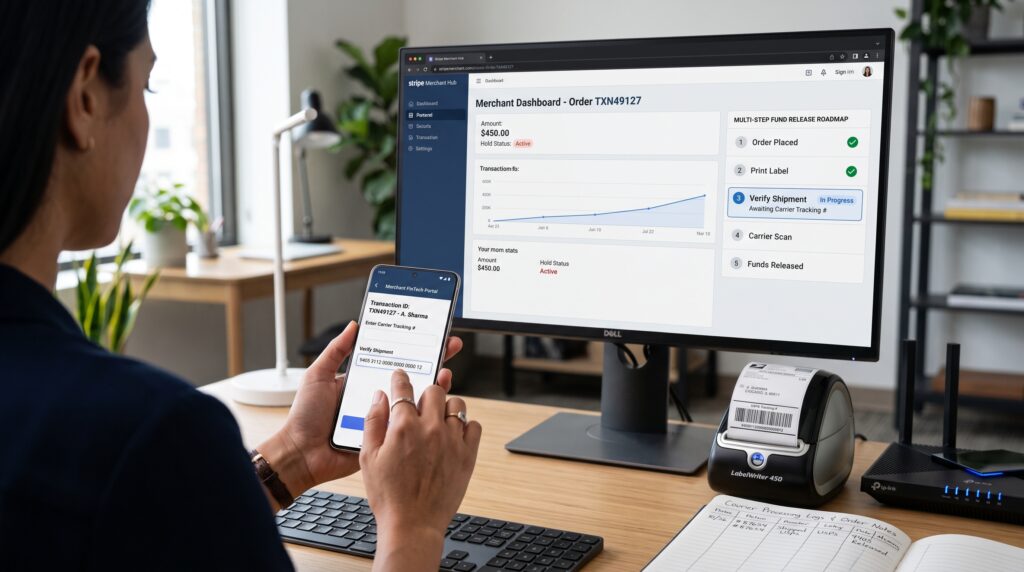
Comparison Table
| Situation | Recommended Action |
|---|---|
| Physical product sold | Upload tracking and ship promptly |
| Service or digital product | Mark the order as completed if eligible |
| Buyer opened a dispute | Respond quickly and provide documentation |
| New seller | Build a consistent transaction history |
| Large or unusual payment | Allow PayPal time to complete its review |
By understanding how payment holds work and following these best practices, you can reduce delays, build a stronger account history, and improve the chances that future payments become available more quickly.
Frequently Asked Questions
If you’re dealing with PayPal money on hold, these are some of the questions users ask most often when trying to understand why their funds aren’t available.
Why is my PayPal money on hold?
A PayPal money on hold status usually means PayPal is temporarily reviewing a payment to help reduce fraud and protect both buyers and sellers. Holds are more common for new sellers, high-value transactions, sudden increases in sales, or payments that require additional verification.
How long does PayPal keep money on hold?
The length of a PayPal money on hold depends on the transaction and the reason for the review. In many cases, funds become available after the order is successfully completed or once PayPal confirms there are no issues with the payment. The expected release date is often displayed in your transaction details.
Can I speed up the release of my PayPal funds?
Yes, in many situations. Shipping orders promptly, uploading valid tracking information, completing any requested verification, resolving disputes quickly, and maintaining a positive selling history can all help reduce the amount of time your PayPal money on hold remains unavailable.
Does a payment hold mean my account is limited?
No. A payment hold and an account limitation are different. A PayPal money on hold simply means a specific payment is temporarily unavailable while it’s being reviewed. An account limitation usually affects what you can do with your entire account and may require additional verification before it’s removed.
What happens if the buyer opens a dispute?
If a buyer files a dispute, claim, or chargeback, your PayPal money on hold may remain in place until the case is resolved. Responding promptly, providing requested documentation, and communicating professionally with the buyer can help PayPal review the case more efficiently.
Can new sellers avoid payment holds?
While new sellers can’t always prevent every hold, they can reduce the likelihood of future PayPal money on hold situations by shipping orders on time, uploading tracking information, maintaining good customer service, and building a consistent transaction history over time.

Final Thoughts
A PayPal money on hold notification can be frustrating, but it’s usually a temporary part of PayPal’s security and risk management process rather than a sign that something is wrong with your account. In most cases, the funds are released once PayPal verifies that the transaction has been completed successfully and there are no outstanding issues.
The best way to shorten a payment hold is to focus on the factors you can control. Ship orders promptly, upload accurate tracking information, keep your account details up to date, and respond quickly if PayPal requests additional information. These simple habits not only help with your current transaction but can also reduce the likelihood of future payment holds.
If your funds remain unavailable longer than expected, review the transaction details in your PayPal account before contacting support. The payment status often explains why the hold was placed and whether any additional action is required from you.
Key Takeaways
- PayPal money on hold is usually a temporary security measure.
- New sellers and higher-risk transactions are more likely to experience payment holds.
- Uploading tracking information and shipping promptly can help release funds sooner.
- Resolving disputes quickly may reduce delays.
- Keeping your account verified and your information up to date can improve future transactions.
- Check your transaction details regularly for updates on your payment status.
- If the normal review period has passed, contact PayPal Support for additional assistance.
Leave a Reply